Unused card's credit limit cut: is it worth asking to restore it?
本文暂时只有英文版本。
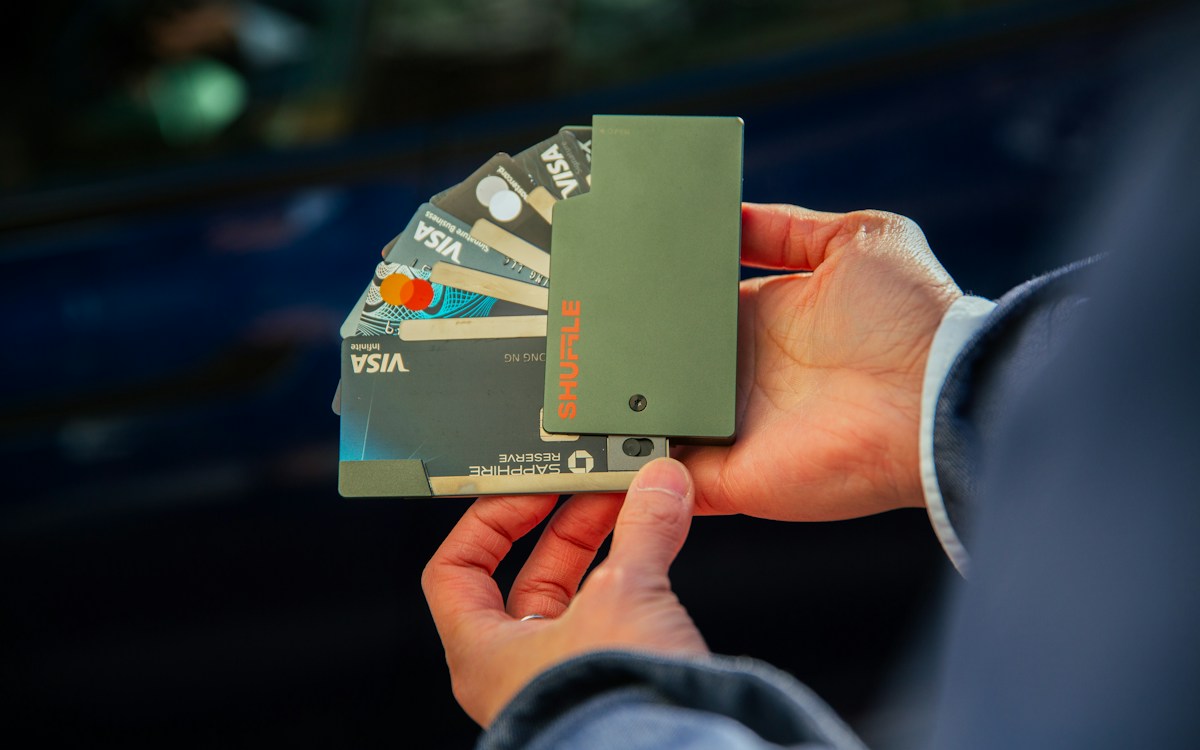
If a card you rarely use gets a lower credit limit, asking to restore it can be worthwhile when the cut affects purchases you already planned or raises your overall credit utilization. First check the new limit, your reported balances and whether the request would involve a hard credit inquiry. You don't need to spend more just to justify the old limit.
A November 17, 2026 discussion on r/CRedit raised this question after a rarely used store card's limit was reduced. One commenter reported getting a limit restored by calling; others questioned whether restoring unused capacity was worth doing, especially if a hard inquiry were involved. Those are individual accounts, not a promise about your issuer. They prompted this guide to deciding whether to make the request.
Read the notice before trying to fix the number
A credit limit is the amount the issuer allows you to borrow on the card. It isn't your credit score. The CFPB says issuers generally can reduce limits, even to a level that leaves no available credit. In most instances, an adverse action notice must give specific reasons or explain how to request them. Read yours rather than guessing that the bank wants you to pay interest. CFPB guidance on limit reductions
Write down the old limit, new limit and current balance. Check pending purchases and recurring bills before relying on the card for another payment. If the notice seems inconsistent with your account information, ask the issuer to explain the reason and its reconsideration process.
Our credit card fine-print guide covers the separate notice protections for over-limit fees and penalty rates. A notice about a limit reduction is not itself proof that your score fell.
An unused card can still change the overall math
FICO considers overall revolving utilization and the highest utilization rates on individual accounts. It uses balances and limits reported to the credit bureaus, which can differ from the amounts currently shown in your banking app. myFICO's utilization explanation
Here is a hypothetical example with two ordinary revolving credit cards. Assume both remain open, these figures are reported, and no balances change:
| Account | Reported balance | Old limit | New limit |
|---|---|---|---|
| Rarely used card A | $0 | $5,000 | $500 |
| Regularly used card B | $1,000 | $5,000 | $5,000 |
| Total | $1,000 | $10,000 | $5,500 |
Before the cut, overall utilization is $1,000 ÷ $10,000 = 10%. Afterward, it's $1,000 ÷ $5,500 ≈ 18.2%. Card A is still at 0%, and card B is still at 20%. You owe exactly the same $1,000; the overall percentage rose because the combined limit shrank.
That is a reason to consider asking, not a forecast of how many score points you will gain or lose. Other scoring factors matter, and 30% is not a universal boundary between good and bad credit. myFICO on utilization and scoring limits
You also have a way to change the ratio without restoring the limit: in this example, reducing the reported total balance to $550 would bring overall utilization back to 10%. That's a $450 reduction in debt, whereas restoring the limit would leave the debt unchanged. This is arithmetic, not a payment target for every household; protect money needed for essential bills.
Ask about the process before authorizing a request
Call through the issuer's official app or the number on the card. Ask:
- Can you reconsider this reduction, or would this be a new limit-increase request?
- Would it require a hard credit inquiry? Confirm before proceeding.
- Does the recent reduction make the account temporarily ineligible?
- What information do you need, and when should I expect a decision?
Policies differ. For example, Capital One says its limit-increase requests use soft inquiries, but accounts with a recently increased or decreased line generally aren't eligible. Low account usage is also one listed reason for denial. That is Capital One's published policy, not verification of other issuers' processes or a guarantee of approval elsewhere. Capital One's limit-increase rules
Decide what the restored limit would do for you
A request has a clearer purpose if the new limit cannot cover an ordinary purchase you already budgeted for, or if the combined utilization change matters to you. If the lower limit still fits your needs and you don't want a hard inquiry, you can choose to leave it alone.
Don't add purchases you don't need or carry debt to pay interest in hopes of winning back a limit. You can have reported utilization while paying your bill in full; carrying an interest-bearing balance isn't required. myFICO's payment and reporting guidance
Use our credit utilization calculator to compare your own balances and limits. If you are considering closing the card instead, first read how closure can change utilization. Treat reinstatement as an optional request, not a guaranteed repair.
Photo by Jim Chen on Unsplash.
General information, not individualized financial or legal advice.
参考来源
- reddit.com/r/CRedit/comments/1xyresw/curious_about_why_my_credit_score_was_lowered/
- consumerfinance.gov/ask-cfpb/can-my-credit-card-issuer-reduce-my-credit-limit-en-74/
- myfico.com/credit-education/blog/accounts-credit-utilization-ratio
- capitalone.com/help-center/credit-cards/increase-your-credit-limit/