Credit limit increase: same balance, lower utilization
本文暂时只有英文版本。

Say you carry a $2,000 balance on a card with a $5,000 limit. If the limit goes up to $8,000 and the balance stays the same, the share of credit you're using drops. You didn't pay anything off, but the math looks better on paper.
What utilization means
Credit utilization is how much revolving credit you're using compared with your total limits. It's part of the "amounts owed" category, which myFICO says makes up about 30% of a FICO Score. In general, lower utilization is better for your scores.
The formula is simple: balance divided by limit. A $1,000 balance on $10,000 of total limits is 10% utilization.
The $2,000 example
Here's the example myFICO itself uses:
- Before: $2,000 balance on a $5,000 limit = 40% utilization
- After: the same $2,000 balance on an $8,000 limit = 25% utilization
The debt is the same. Only the limit changed. Because utilization is a ratio, a bigger denominator makes the percentage smaller.
That's why some people ask for a credit limit increase when they're trying to bring utilization down. The higher limit can help your score, but it doesn't make your debt any smaller.
The catch: only if you don't spend more
The lower percentage holds up only if your balance stays put. If the new $8,000 limit pushes you to spend more and your balance grows to $3,200, you're back at 40%. Now you also owe more money, and the interest that comes with it.
So a limit increase may help only if your spending stays the same. If a bigger limit makes it easier to spend more, it can work against you.
Asking can cost a few points
Asking for a higher limit often starts a hard inquiry on your credit report. According to myFICO:
- For most people, one hard inquiry takes fewer than 5 points off their FICO Scores.
- Inquiries can stay on your report for up to two years, but FICO Scores only count them for about a year.
- Inquiries can matter more if you have few accounts or a short credit history.
Some issuers raise limits on their own or tell you up front whether a request uses a hard or soft pull. If you're not sure, ask the issuer before you request one.
Utilization isn't permanent
Utilization is calculated from the balances your cards report, usually once per statement cycle. It isn't a permanent mark. When you pay balances down, your utilization falls the next time those lower balances are reported. That means a limit increase is just one way to lower the ratio. Paying the balance down does the same thing and also reduces what you owe.
How to use this
- Do the math first. Divide your current balance by your current limit, then by the limit you'd ask for, so you know the real difference.
- Ask about the inquiry. Before you request an increase, find out whether it will be a hard or soft pull.
- Keep spending the same. Treat the new limit as breathing room, not extra money to spend.
- Pay down balances too. A smaller balance lowers utilization and cuts interest at the same time.
- Watch your reporting date. Paying before the statement closes can lower the balance that gets reported.
Scoring models and issuer policies vary, and how much your score changes depends on the rest of your credit profile. Check your own card terms and credit reports before acting.
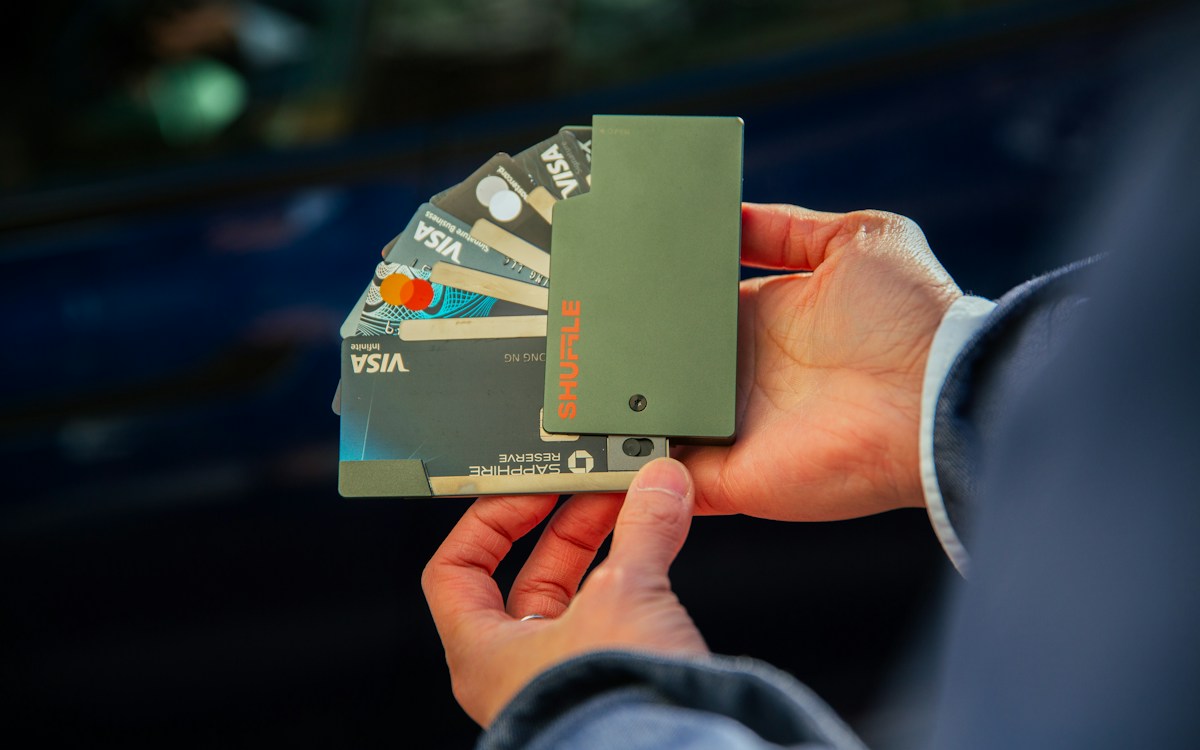
Photo by Markus Winkler on Unsplash
Not financial advice.