
Robinhood Gold Card vs. 2% cash back: is the extra 1% worth it?
If getting the Robinhood Gold Card adds a $50 annual subscription to your budget, you need $5,000 of eligible annual spending at a full 3% cash value to tie a no-fee 2% alternative. Above that, the extra return is one cent per eligible dollar, before other costs. The subscription, redemption route and purchases that qualify matter more than the metal card.
A November 23, 2026 r/CreditCards discussion asked whether the card was worth getting. Replies praised simple rewards but disagreed about the membership cost and redemption friction. The original poster had a partner offer, so the standard subscription calculation does not automatically describe their deal. That distinction inspired this comparison; individual service reports are not a representative customer-service rating.
First, identify the cost of your offer
Robinhood's standard setup has no separate card annual fee, but its help page describes a $50 annual Gold subscription, charged after approval and acceptance. Its cancellation guide says subscribed cardholders must close the card before canceling that annual subscription. Account setup, cancellation rules
There is an important qualification: the product page says eligible applicants through certain partner channels do not need Gold membership, while the linked general rewards rules still say an active annual membership is required to earn points. We could not verify the partner-specific rewards exception from those public terms. Do not assume a partner invitation guarantees membership-free 3% rewards. Confirm the fee and rewards eligibility in your own application disclosures before accepting.
The calculations below cover the documented standard subscription route. If you would pay for Gold anyway, count only the additional cost caused by getting this card; don't charge the same subscription to two separate decisions.
Compare the extra dollars
This is a hypothetical annual comparison against a card earning 2% cash back with no annual fee. Assume the same purchases qualify on both cards, all Robinhood points are redeemed at one cent each, the full $50 subscription is an added cost, and there are no bonuses, interest or other fees. Robinhood's rules award three points per dollar on eligible purchases. Rewards rules
| Eligible annual spending | Robinhood at 3%, less $50 | Alternative at 2% | Robinhood advantage |
|---|---|---|---|
| $3,000 | $40 | $60 | −$20 |
| $5,000 | $100 | $100 | $0 |
| $12,000 | $310 | $240 | $70 |
Our calculation is spending × (0.03 − 0.02) − $50. Break-even is $50 ÷ 0.01 = $5,000 per year. At $12,000, the benefit over the alternative is $70, not the full $360 of gross rewards.
Count only spending you would move from the 2% card. If you already earn more on groceries or dining elsewhere, those purchases do not belong in this comparison. Our cash-back optimization guide explains how to compare against the card you would actually use.
Three points do not always mean three cents
Robinhood's rewards help page confirms one cent per point for brokerage cash back, which requires an individual Robinhood investing account and is available to primary cardholders. Statement-credit redemption is worth less than one cent per point; the page directs customers to the app for details. A rewards statement credit also cannot pay down the minimum payment due. Redemption options
If you prefer statement credits, replace 3% in the formula with the cash value shown in your redemption screen. Don't assume the same value across redemption methods. Opening another account and handling redemptions may also be more effort than the extra dollars justify for you.
Exclusions and fees can erase the advantage
The rewards rules exclude business-type transactions and government services, and list cash-like transactions, gift-card or prepaid-card balance loads, and third-party bill-payment transactions among purchases that may not earn points. Returns, fees and finance charges also do not qualify. Use ordinary eligible personal spending in the calculation, not every dollar passing through the account. Full exclusions
The current public fee table lists a 3% fee on transactions made in a foreign currency and a 29.99% variable purchase APR. It says paying the entire Adjusted Statement Balance by each due date avoids purchase interest. Review the agreement offered to you; an existing cardholder's older terms may differ. Rates and fees, checked November 24, 2026
For this comparison, stick to purchases without that foreign-currency fee and plan to pay in full. If you carry debt, work on interest and payoff costs before chasing an extra percentage point.
A useful decision rule
Choose based on your actual incremental cost, eligible spending and preferred redemption method. At $12,000 under the assumptions above, ask whether $70 a year is enough to justify another account. If Gold is already an expense you would keep, the same spending produces $120 more than 2% before other costs. If your invitation has different terms, verify those first and rerun the comparison.
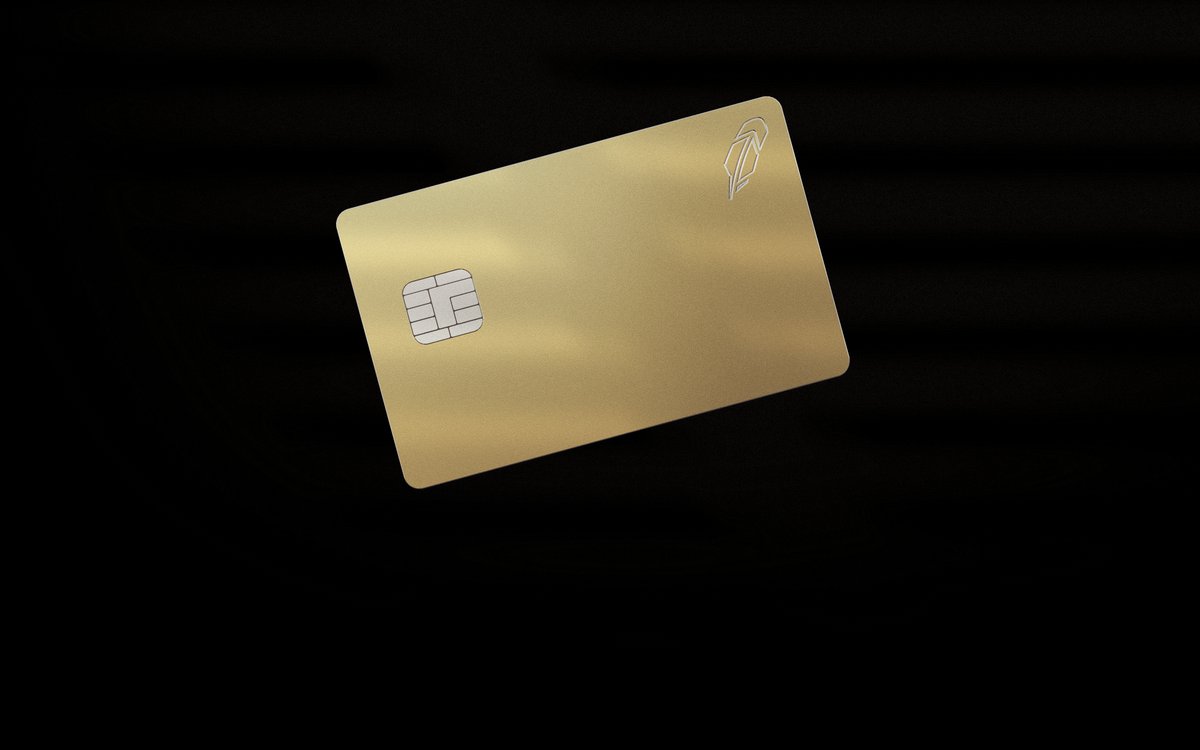
Card image courtesy of Robinhood, from its official Gold Card page. Robinhood Gold Card is a trademark of its owner.
General education, not personalized financial advice.
Amex Gold
Welcome offer in Membership Rewards points through my referral link. Offers vary.
$325 annual fee
See the Amex Gold offerFound this useful?
Send it to a friend who's figuring out the same thing.
Sources
- reddit.com/r/CreditCards/comments/1y3ex2l/what_are_your_thoughts_on_the_robinhood_gold_card/
- robinhood.com/creditcard/
- robinhood.com/us/en/support/articles/robinhood-gold-card-get-started/
- robinhood.com/us/en/support/articles/robinhood-gold-card-rewards/
- robinhood.com/us/en/support/articles/gold-subscription-and-cancellation/
- cdn.robinhood.com/assets/robinhood/legal/Robinhood_Gold_Card_Rewards_Program_Rules.pdf
- api.robinhood.com/creditcard/legal/interest-fees