
Paid your credit card early? Check what AutoPay will still take
Paying your credit card early does not necessarily cancel the upcoming automatic payment. It may reduce the amount instead. Before moving money out of checking, confirm what AutoPay will actually withdraw and whether your manual payment has posted. Chase, for example, says posted payments can reduce statement-balance AutoPay between the statement closing date and payment processing. Chase AutoPay agreement, section 3
A February 14, 2025 r/CreditCards discussion asked which issuers adjust AutoPay after an early payment. Replies disagreed even about the same bank. That makes the thread a useful question, but a poor substitute for your current payment instructions. We checked the official pages below on November 20, 2026.
Read the setting and the scheduled amount
Start with your AutoPay selection: minimum payment, statement balance or a fixed dollar amount. Those settings need not react identically to an extra payment. Chase's agreement gives separate rules for each; its statement-balance option can fall when a payment posts, while its fixed-amount option follows different balance limits. Chase AutoPay agreement
Capital One's specific AutoPay setup guide says a payment made before AutoPay processes reduces upcoming minimum-payment or statement-balance AutoPay. It directs customers to their enrollment notification or payment flow for the applicable terms.
There is conflicting public wording: Capital One's general payment FAQ still says extra payments do not change scheduled payments and warns that you could pay more than intended. Don't turn either page into a guarantee for your account. If the scheduled debit doesn't match your expectation, confirm the amount and cutoff with Capital One before relying on a reduction.
Also distinguish scheduled, processing and posted. A confirmation that you submitted a payment is not proof that the issuer has already used it to recalculate AutoPay. Chase's adjustment rule depends on posting before processing; Capital One lets you review payment activity and cancel a payment before it is in process. Chase terms, Capital One payment activity
The cash-flow difference: $900 versus $1,200
Here is a hypothetical example, not a prediction for a particular issuer. Assume no interest, fees, refunds or installment plans:
- Your statement balance is $1,200.
- You make a $300 manual payment after the statement closes.
- You then make $300 in new purchases.
The unpaid portion of the old statement is $900. The current balance is $1,200: $1,200 − $300 + $300. Our statement versus current balance guide explains why those figures differ.
Now suppose you started with $1,700 in checking, with a $500 rent payment still to make. The manual payment leaves $1,400. Two possible withdrawal amounts produce very different budgets:
| Confirmed automatic withdrawal | Total sent to the card, including the manual payment | Checking left before rent |
|---|---|---|
| $900 | $300 + $900 = $1,200 | $1,400 − $900 = $500 |
| $1,200 | $300 + $1,200 = $1,500 | $1,400 − $1,200 = $200 |
The second scenario leaves you $300 short for rent. It also pays the $300 of new purchases early. Under these assumptions, it does not create a negative card balance or a second purchase charge. The problem is money leaving checking sooner than you budgeted. These are alternative cash-flow scenarios, not claims that either bank above will debit $1,200.
Before making another payment
- Check what remains due. Separate the minimum still owed from the amount needed to avoid purchase interest. The CFPB says that with a purchase grace period and no carried balance, paying in full by the due date avoids interest on new purchases. Minimum-only AutoPay is not the same thing. CFPB grace-period guide
- Review both payment instructions. Look at the manual payment's status and the next automatic debit's amount, date and funding account. Ask the issuer about any mismatch before its processing cutoff; don't assume a universal two-day adjustment window.
- Reserve cash for the confirmed withdrawal and other bills. If the amount is unresolved, contact the issuer promptly rather than spending the apparent surplus or submitting another payment as a guess.
- Verify any cancellation. Ask whether it stops one payment or future AutoPay too, and arrange any payment still needed by the due date. Canceling an automatic payment does not cancel the debt. CFPB automatic-payment guidance
Afterward, reconcile the payment on both the card and the funding account. If both payments went through, confirm the remaining balance before sending more. If a merchant refund is involved, our refund and payment-due guide covers the separate question of whether that credit satisfies a payment requirement.
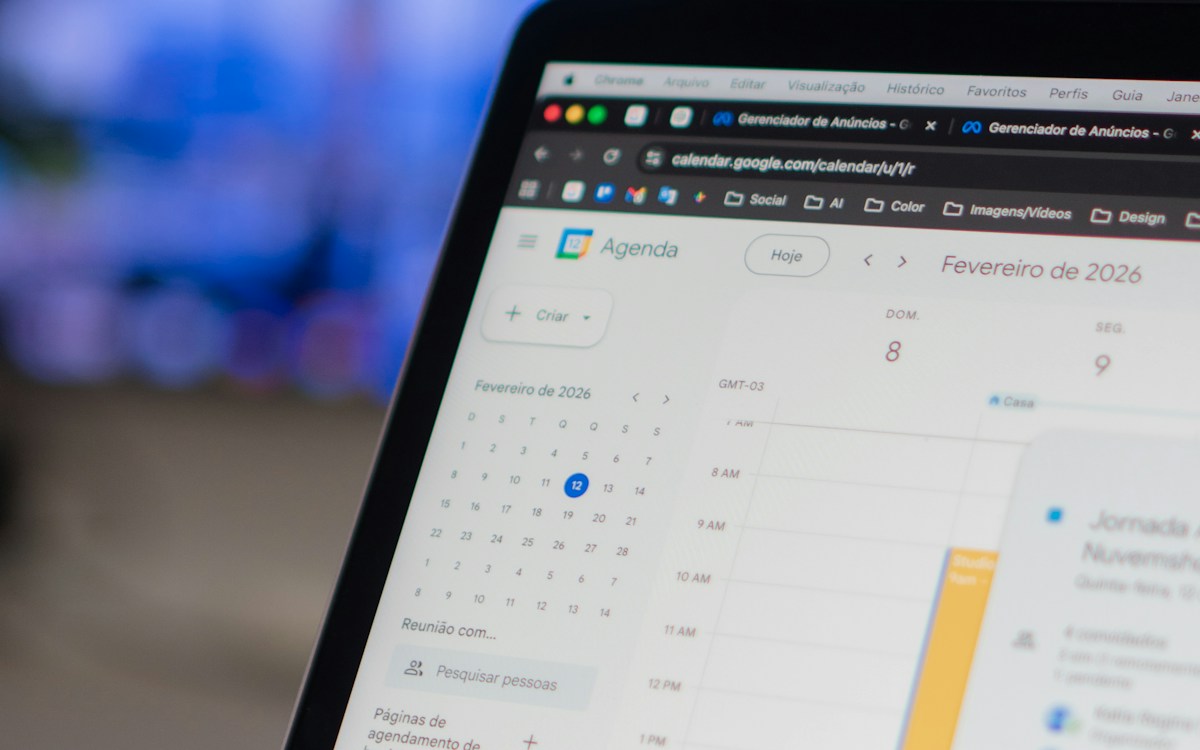
Photo by Rodrigo Rodrigues | WOLF Λ R T on Unsplash. Calendar image illustrates payment scheduling; it is not a banking screen.
General education, not financial advice. Your card agreement and account details control. See our disclosure.
Amex Gold
Welcome offer in Membership Rewards points through my referral link. Offers vary.
$325 annual fee
See the Amex Gold offerFound this useful?
Send it to a friend who's figuring out the same thing.
Sources
- static.chasecdn.com/content/dam/legal-agreements/library/en/autopay_la/versions/autopay_la.pdf
- capitalone.com/help-center/credit-cards/how-to-set-up-autopay/
- capitalone.com/help-center/credit-cards/payments-credit-card-support/
- consumerfinance.gov/ask-cfpb/what-is-a-grace-period-for-a-credit-card-en-47/
- consumerfinance.gov/ask-cfpb/how-do-i-stop-automatic-payments-from-my-bank-account-en-2023/
- reddit.com/r/CreditCards/comments/1ipjzpv/which_banksinstitutions_have_autopay_for/