5 credit card charges you can usually avoid
本文暂时只有英文版本。

Most of what a credit card costs comes from charges you can see coming. Here are five common ones, what federal rules and the CFPB say about each, and the simple habit that usually keeps it off your statement.
1. Late fee: set autopay for at least the minimum
A late fee hits when your minimum payment doesn't arrive by the due date. The CFPB explains that the fee can go up if you're late again within the next six billing cycles, but it can never be more than the minimum amount due. That cap comes from Regulation Z, the federal rule that covers credit cards, at 12 CFR 1026.52.
A cap is not the same as no fee. The CFPB's Know Before You Owe guide adds that missing a minimum payment can also bring a penalty APR on new purchases and can end an introductory rate early. Setting autopay for at least the minimum is the easiest backstop. You can still pay more by hand each month.
2. Interest on purchases: pay the full statement balance
Interest is not technically a fee, but it is often the biggest charge on a card. A grace period is the time between the end of a billing cycle and the payment due date. The CFPB says card companies are not required to offer one, but most credit cards provide a grace period on purchases.
If your card has a grace period and you are not carrying a balance, you can avoid interest on new purchases by paying the statement balance in full by the due date. If you pay only part of it, you lose the grace period: you are charged interest on the unpaid portion, and new purchases start accruing interest on the day you make them. The CFPB notes you may lose the grace period for the month you don't pay in full and for the month after.
3. Over-limit fee: it needs your opt-in
Going over your credit limit does not automatically cost you a fee. According to the CFPB, a card issuer cannot charge an over-limit fee unless you have opted in to let it approve charges that put you over your limit. Before you opt in, the issuer has to disclose the fee, and afterward it has to send a confirmation.
If you did opt in, you can change that choice at any time by telling the issuer. The change only applies going forward, not to transactions made before you notified them. Even when a fee is allowed, it cannot be larger than the amount by which you went over the limit.
4. Foreign transaction fee: check before you travel
Some cards add a fee when you buy something abroad or in a foreign currency. Your card agreement lists whether your card charges one. The CFPB's Know Before You Owe guide puts it plainly: if you travel overseas frequently, you may consider a card with lower or no foreign transaction fee.
Check before a trip, not after. If your everyday card charges this fee, using a different card for the trip may be the simplest fix.
5. Annual fee: make sure the perks earn it
An annual fee is the price of holding the card each year. The CFPB's Know Before You Owe guide suggests a simple test: ask yourself if any benefits or rewards you get with the card are worth the fee.
Count only the perks you actually use, not the ones on the marketing page. If the value you use is less than the fee, compare cards with no annual fee before the next renewal.
How to use these rules
- Turn on autopay for at least the minimum payment on every card you carry.
- Pay the statement balance in full by the due date to keep your purchase grace period.
- Check whether you opted in to over-limit transactions, and opt out if you don't want them.
- Look up the foreign transaction fee in your card agreement before your next trip.
- Add up the perks you used this year and compare that number with your annual fee.
These are general rules, and every card agreement is different. Some cards don't have a grace period, fee amounts vary by issuer, and the CFPB pages linked above have the full details.
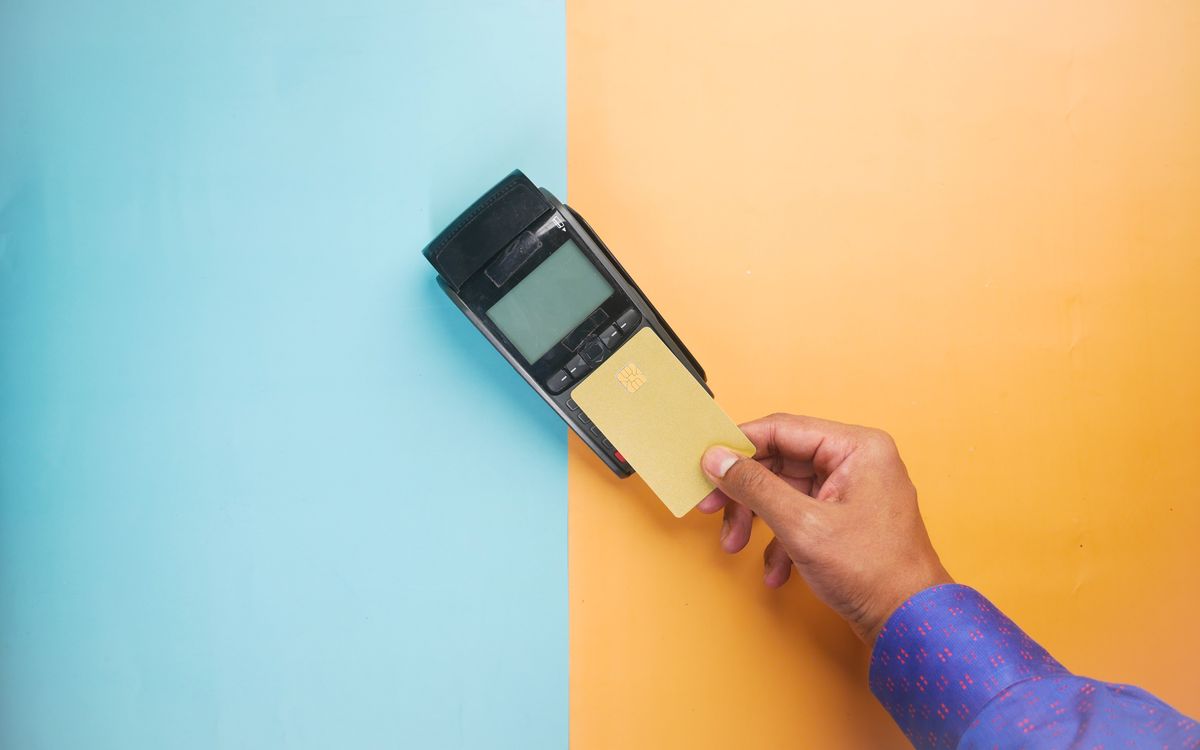
Photo by Towfiqu barbhuiya on Unsplash
Not financial advice.
参考来源
- consumerfinance.gov/ask-cfpb/why-did-my-credit-card-issuer-increase-my-late-payment-fee-en-56/
- ecfr.gov/current/title-12/chapter-X/part-1026/subpart-G/section-1026.52
- consumerfinance.gov/ask-cfpb/what-is-a-grace-period-for-a-credit-card-en-47/
- consumerfinance.gov/ask-cfpb/i-went-over-my-credit-limit-and-i-was-charged-an-overlimit-fee-what-can-i-do-en-58/
- consumerfinance.gov/data-research/credit-card-data/know-you-owe-credit-cards/