5 credit card due date rules your issuer has to follow

You don't need a budget spreadsheet to stay on top of a credit card bill, but you do need to know how your due date works. Federal rules set when your statement has to go out, what time a payment counts as on time, and how much warning you get before your rate goes up. Here are five worth knowing.
1. Your statement has to go out at least 21 days before the due date
Your statement is the monthly bill that shows your balance, your minimum payment and your due date. According to the Consumer Financial Protection Bureau (CFPB), a card issuer must have procedures to make sure statements are mailed at least 21 days before a payment is due.
Mail can still be slow. If your statement hasn't shown up when it usually does, the CFPB suggests contacting your card company right away to find out your balance. A late statement doesn't change the rule that your payment has to be received on time.
2. Your due date is the same day every month
The Truth in Lending Act requires that the due date be the same day each month, according to HelpWithMyBank.gov, a site run by the Office of the Comptroller of the Currency (OCC). It might be a specific date, like the 4th, or the last day of the month.
That makes your due date easy to track. A single repeating reminder on your phone, or autopay for at least the minimum, can cover every month.
3. A payment received by 5 p.m. on the due date generally counts as on time
The CFPB says card companies generally can't treat a payment as late if it's received by 5 p.m. on the day it's due, in the time zone shown on your statement.
There are two catches:
- The payment has to be received by then, not just mailed. Mail and even online bill-pay services can take time.
- An issuer may set a reasonable cut-off time for online payments, and in-person payments at a branch can have an earlier cut-off. Check your card's terms for the exact time.
4. A due date on a Sunday or holiday gives mailed payments until the next business day
If your due date falls on a day your card issuer doesn't accept mail, usually a weekend or holiday, the CFPB says a mailed payment is on time if it's received by 5 p.m. on the next business day.
That extra day is only for mail. If you pay online or by phone, you still have to pay by the due date itself.
5. A rate hike on new purchases generally needs 45 days' notice
Your APR (annual percentage rate) is the yearly interest rate on any balance you carry. According to the CFPB, your card issuer generally must give you 45 days of advance notice before raising the interest rate for new purchases. Issuers are also generally not allowed to raise the rate on new transactions during the first year of the account.
Card companies are generally restricted from raising the rate on your existing balance, with some exceptions. Those include a temporary promotional rate ending, a variable rate rising with its index, or a minimum payment that is more than 60 days late.
How to use these rules
- Set one repeating reminder a few days before your due date, since it's the same day every month.
- Pay early instead of at 4:59 p.m., so slow mail or a processing delay doesn't make you late.
- Look up your online cut-off time in your card's terms or app.
- Don't count on the Sunday rule for online payments. Pay by the due date if you pay electronically or by phone.
- Open mail and messages from your card issuer, so you see any 45-day notice of a rate change in time to plan.
These rules have exceptions and depend on your card's terms. The CFPB and HelpWithMyBank.gov explain the details, and your cardholder agreement lists your issuer's cut-off times.
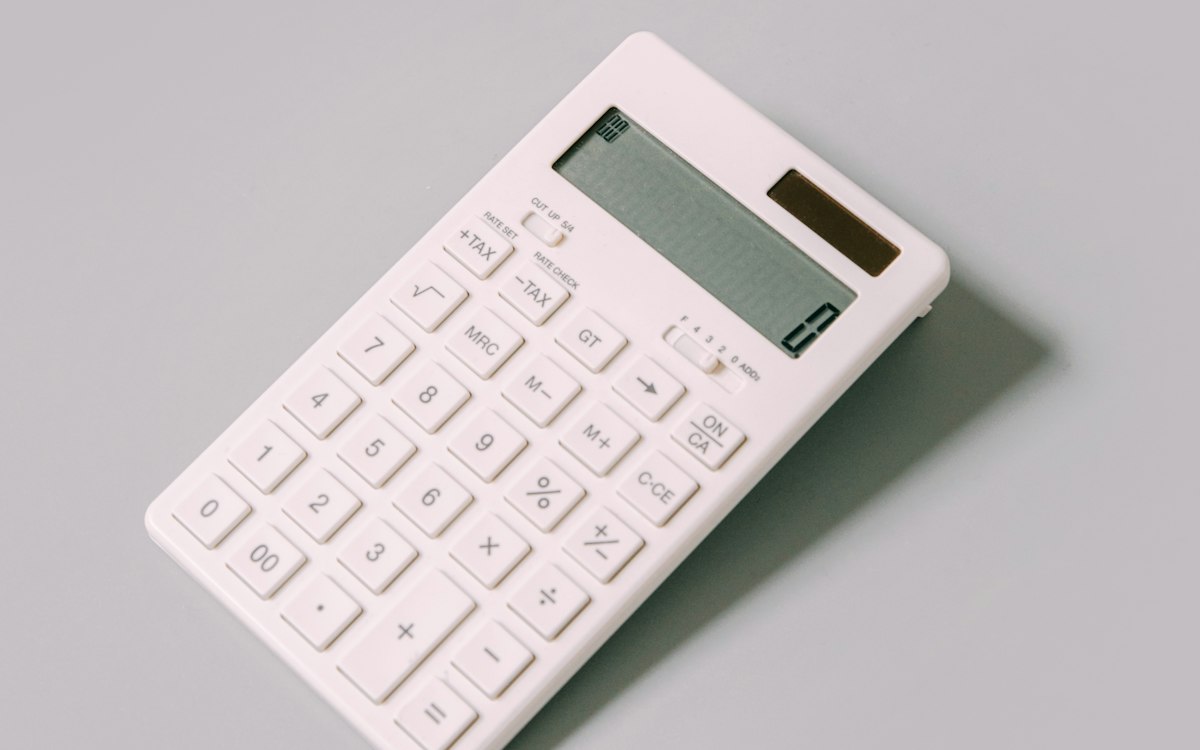
Photo by Renel Wackett on Unsplash
Not financial advice.
Sources
- consumerfinance.gov/ask-cfpb/i-received-my-bill-this-month-and-the-payment-is-due-the-same-day-as-usual-but-the-bill-came-much-later-than-usual-can-i-get-more-time-to-pay-en-80/
- helpwithmybank.gov/help-topics/credit-cards/payments/making-payments/making-payments-holiday.html
- consumerfinance.gov/ask-cfpb/when-is-my-credit-card-payment-considered-to-be-late-en-79/
- consumerfinance.gov/ask-cfpb/this-month-my-payment-is-due-on-a-sunday-when-is-it-really-due-en-78/
- consumerfinance.gov/ask-cfpb/when-can-my-credit-card-company-increase-my-interest-rate-what-can-i-do-to-get-the-rate-back-down-en-69/